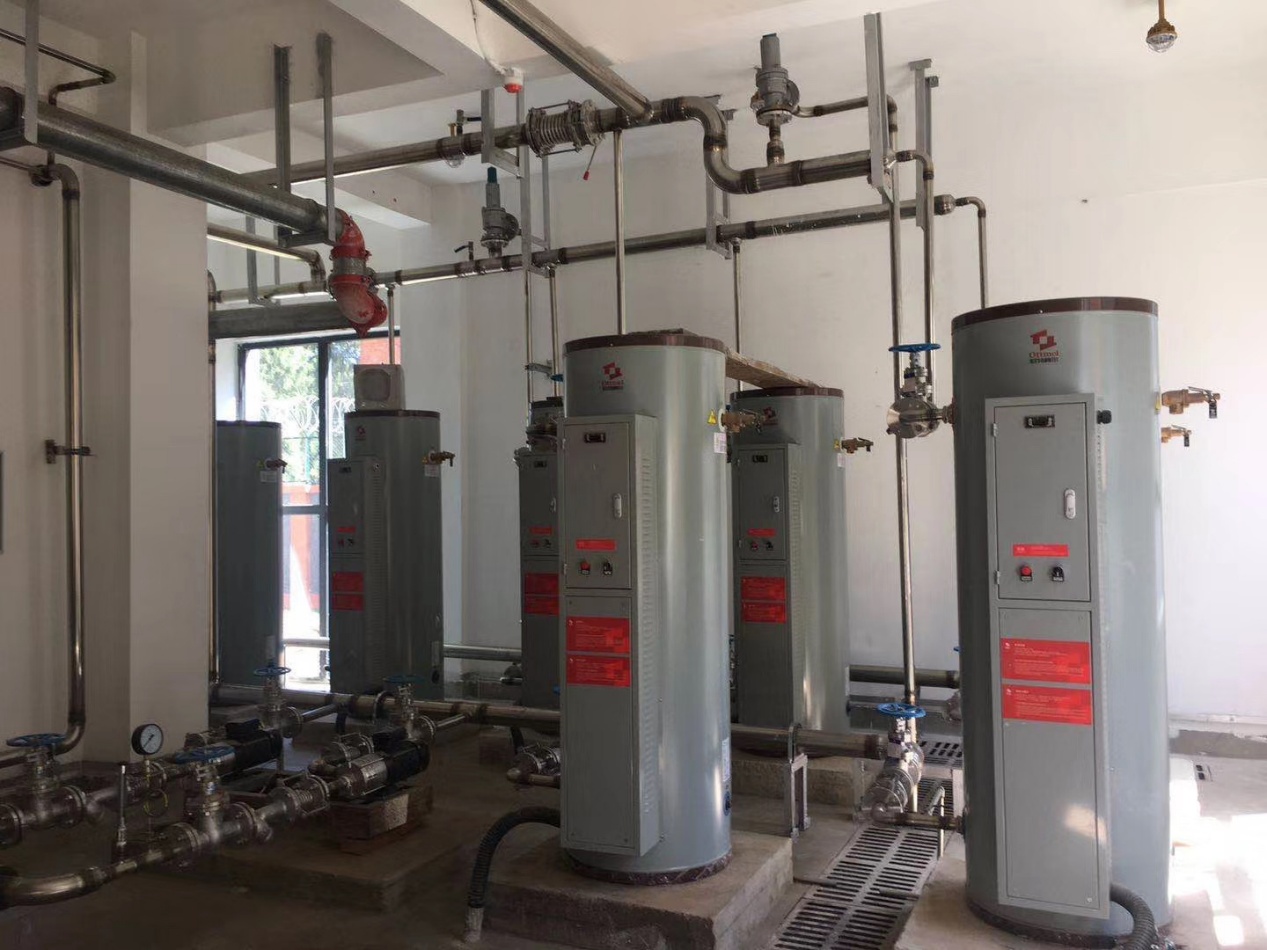
Storage water heaters have long been a standard in households worldwide, but their design has a key flaw that affects electricity bills and energy efficiency: heat loss from insulation. Unlike instant water heaters that operate on a “heating on demand” model, storage-type water heaters need to continuously maintain the temperature of a large volume of water in the tank 24 hours a day, even when not in use. Heat continually escapes from the storage container and pipes, wasting some energy. Over time, this insulation heat loss can slightly increase monthly electricity bills. Studies show it may account for 5% to 10% of a household’s total hot water heating costs. In households in lower temperatures or with lower hot water demand, the problem is even more pronounced: the tank continuously consumes energy to maintain water temperature for hours when unused. Moreover, continuous heating shortens the life of the heating elements and increases maintenance needs, resulting in long-term costs. Of course, this issue can be mitigated by upgrading to newer models with better insulation or installing timers to reduce heat loss, but it cannot be completely eliminated. For homeowners who focus on cost savings, this issue is worth considering.